16. October 2025
Budget Preview: Key Tax and Spending Measures Under Consideration
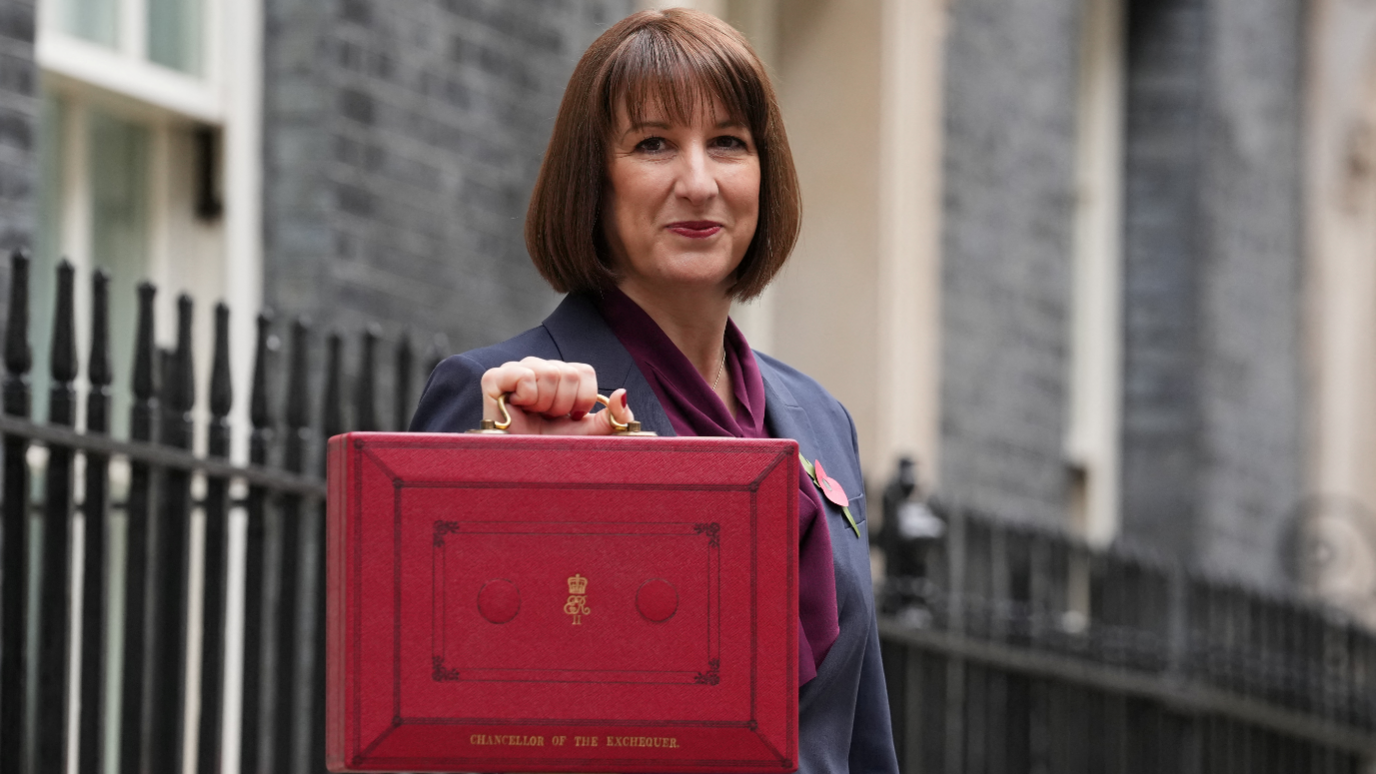
Finance Minister Rachel Reeves is anticipated to implement tax increases in the November 26 Budget announcement.
She has indicated she will make “required decisions” for economic stability, to reduce NHS waiting times, national debt, and living expenses.
The statement will occur in the House of Commons around 12:30. Opposition Leader, Conservative MP Kemi Badenoch, will deliver an immediate reaction.
The administration is evaluating multiple options to increase revenue generation.
Income Tax and National Insurance (NI)
Reeves has determined against raising income tax percentages, a move many had predicted.
However, speculation persists that the chancellor might prolong income tax and NI threshold freezes beyond 2028-29.
Threshold freezing means that as wages gradually increase, more individuals reach income levels where they begin paying tax and NI. Some people become subject to increased tax rates.
Pensions
The chancellor intends to generate approximately £2 billion by restricting tax advantages on pension contributions, according to reports.
It indicated Reeves might implement a £2,000 maximum on employee pension contributions under “salary sacrifice” arrangements without NI obligations. Presently no restrictions exist.
Property Levies
Reports suggest the government is contemplating property tax restructuring, including proposals to expand NI obligations for additional landlords.
Reeves plans to introduce new taxation on high-value residences, according to sources. They indicate 2.4 million properties - across council tax categories F, G and H - would be impacted.
Electric Vehicle Taxation
The chancellor is evaluating new levies on electric vehicles (EVs).
This could compensate for declining fuel duty revenue as more motorists transition from petrol and diesel automobiles.
Cycle to Work Program
The government is considering limiting tax advantages available through the Cycle to Work scheme, according to reports.
Spending limitations on bicycle purchases through salary sacrifice arrangements might be introduced.
Individual Savings Account Reform
Reports also indicate the chancellor may reduce tax-free allowances on cash Isas from £20,000 to £10,000.
Business Taxation
The TUC, Britain’s trade union federation, has advocated increased taxation on financial institutions and online gambling enterprises.
Two-Child Benefit Restriction
Parents can currently claim universal credit or tax credits exclusively for their first two children. The regulation applies to third or subsequent children born after 6 April 2017.
The chancellor suggested potential modifications when she informed the BBC that penalizing children in larger families was inappropriate.
Alternatives beyond complete policy elimination exist. These include extending the benefit to all families regardless of child numbers, but at reduced levels.
Energy Bill Assistance
The government might reduce gas and electricity expenses by decreasing the existing 5% VAT rate on energy, or minimizing certain regulatory costs that providers transfer to consumers.
Youth Employment Assurance
Reeves has stated that young individuals unemployed for eighteen months will receive compensated placements to facilitate employment.
The chancellor requires additional revenue to fulfill self-established government finance regulations she describes as “non-negotiable.” The two primary rules include:
Eliminating borrowing for routine public expenditure by this parliamentary term’s conclusion
Reducing government debt relative to national income by this parliamentary term’s conclusion
The Office for Budget Responsibility (OBR) - the government’s official forecasting body - has calculated the public finance gap接近 £20 billion.
The administration has consistently emphasized economic stimulation as a primary objective.
Economic expansion typically correlates with increased consumer spending, employment opportunities, tax revenue, and improved worker compensation.
In October, the International Monetary Fund (IMF) projected Britain would become the second-fastest expanding major economy in 2025. However, it also forecast Britain would experience the highest inflation rate among G7 nations during 2025 and 2026.
The most recent official data indicates the UK economy expanded by 0.1% between July and September - below the anticipated 0.2%.
Meanwhile, government borrowing - the disparity between public expenditure and tax income - reached £20.2 billion in September, the highest monthly level in five years.
Prices are increasing more rapidly than projected, with inflation at 3.8% in the year concluding September - exceeding the 2% target.