23. April 2025
Northern Ireland Legacy Bill Advances in Parliamentary Process
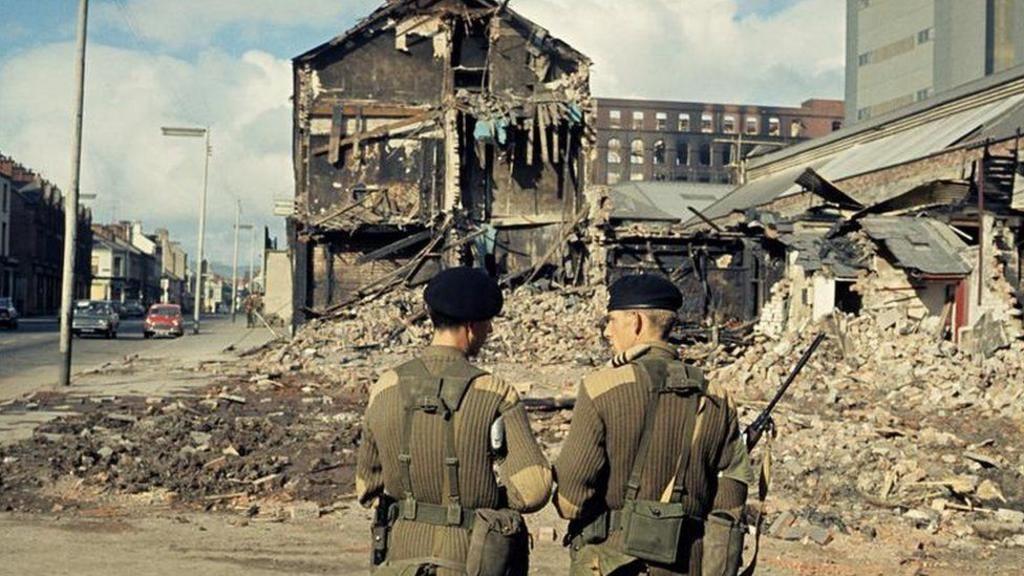
A new legislative proposal designed to replace the contentious Troubles legacy act has successfully passed its second reading in the House of Commons, with strong cross-party support. The bill, which aims to address historical issues related to the Northern Ireland conflict, has been developed through a joint framework with the Irish government.
Northern Ireland Secretary Hilary Benn defended the legislation during a lengthy parliamentary debate, rejecting claims that it posed a threat to national security. He specifically responded to concerns raised by nine senior former military officers who had expressed reservations about the bill’s provisions.
The proposed legislation establishes a Legacy Commission to investigate Troubles-related killings and an information recovery body, both operating under a statutory duty to avoid duplicating previous investigations. The bill also includes provisions for a Victims and Survivors Advisory Group that will not include individuals previously involved in paramilitary activities.
The new measures represent a significant shift from the previous Conservative government’s Legacy Act, which had banned inquests and civil actions related to Troubles-era incidents. The current bill aims to restore inquests that had commenced but not concluded before the Legacy Act came into force.
While the bill passed with a comfortable majority of 320 votes to 105, several opposition MPs, including members from Northern Ireland, have expressed concerns that it does not provide sufficient protections for veterans. The Ulster Unionist Party’s Robin Swann stated he would vote against the bill in its current form, calling for further amendments to better protect victims.
The government has also proposed a package of protections for veterans, including provisions for ‘protection in old age’ and a dedicated legacy unit within An Garda Síochána (Irish police). The bill has been welcomed by some cross-community groups as a step toward reconciliation, with SDLP leader Claire Hanna describing it as ’not about an obsession with the past, but an obsession with a non-violent and reconciled future.’