19. November 2025
Major Overhaul Proposed for UK's Asylum System
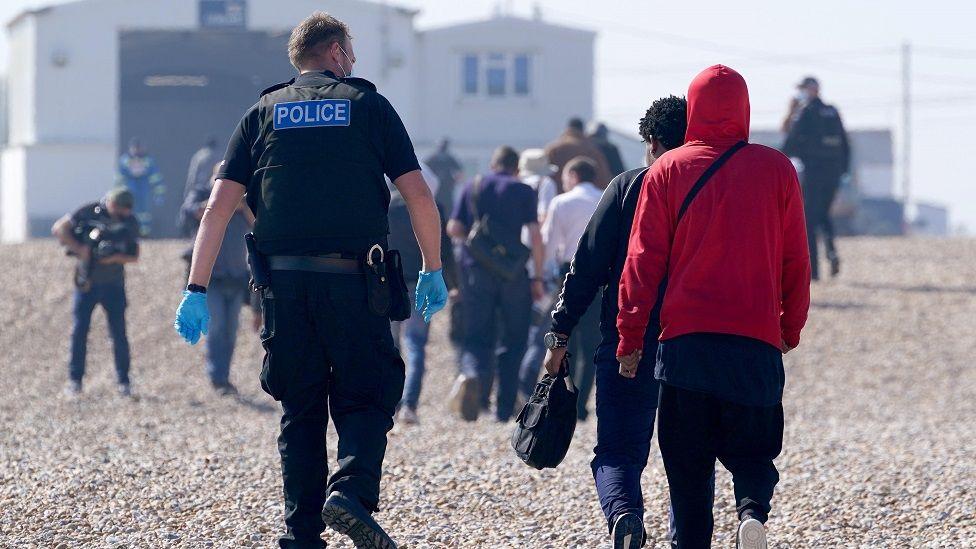
Home Secretary Shabana Mahmood has unveiled an ambitious reform package designed to address the UK’s asylum system challenges, describing it as the most significant changes to immigration policy in modern times. The proposals draw inspiration from Denmark’s approach to refugee management while maintaining UK commitments to human rights protections.
The key elements of the reform include establishing a temporary protection status for asylum seekers, with initial approval for 30 months followed by regular reviews. This will allow for potential return to home countries if conditions improve. The current system, which grants permanent residence after five years, would be replaced with a requirement of 20 years of residency before applicants can apply for permanent settlement.
A new ‘work and study’ visa pathway will be introduced, enabling asylum seekers to transition to this route and potentially gain settlement more quickly. Only those on this pathway would be permitted to sponsor family members to join them in the UK.
The government also plans to end the practice of providing housing and weekly financial support to asylum seekers with permission to work, requiring them to contribute to their own accommodation costs. The reforms would also implement a single consolidated appeal process for asylum cases, replacing the current multiple appeals system.
To address concerns about the misuse of human rights protections, the legislation will clarify how Article 8 of the European Convention on Human Rights (right to family life) is applied in migration cases. The reforms aim to strike a balance between maintaining human rights safeguards and ensuring the system is not exploited.
The Home Office has also announced plans to implement AI technology for age verification of asylum seekers and introduce a digital ID system to improve right-to-work checks and prevent the use of fraudulent documents by illegal workers.
The reforms include new penalties for countries that fail to cooperate with the UK’s return policies, with three African nations already identified as potential targets for sanctions if they do not improve their cooperation on deportations.