25. April 2025
Actress Arden Cho Opens Up About Childhood Identity Struggles and Representation
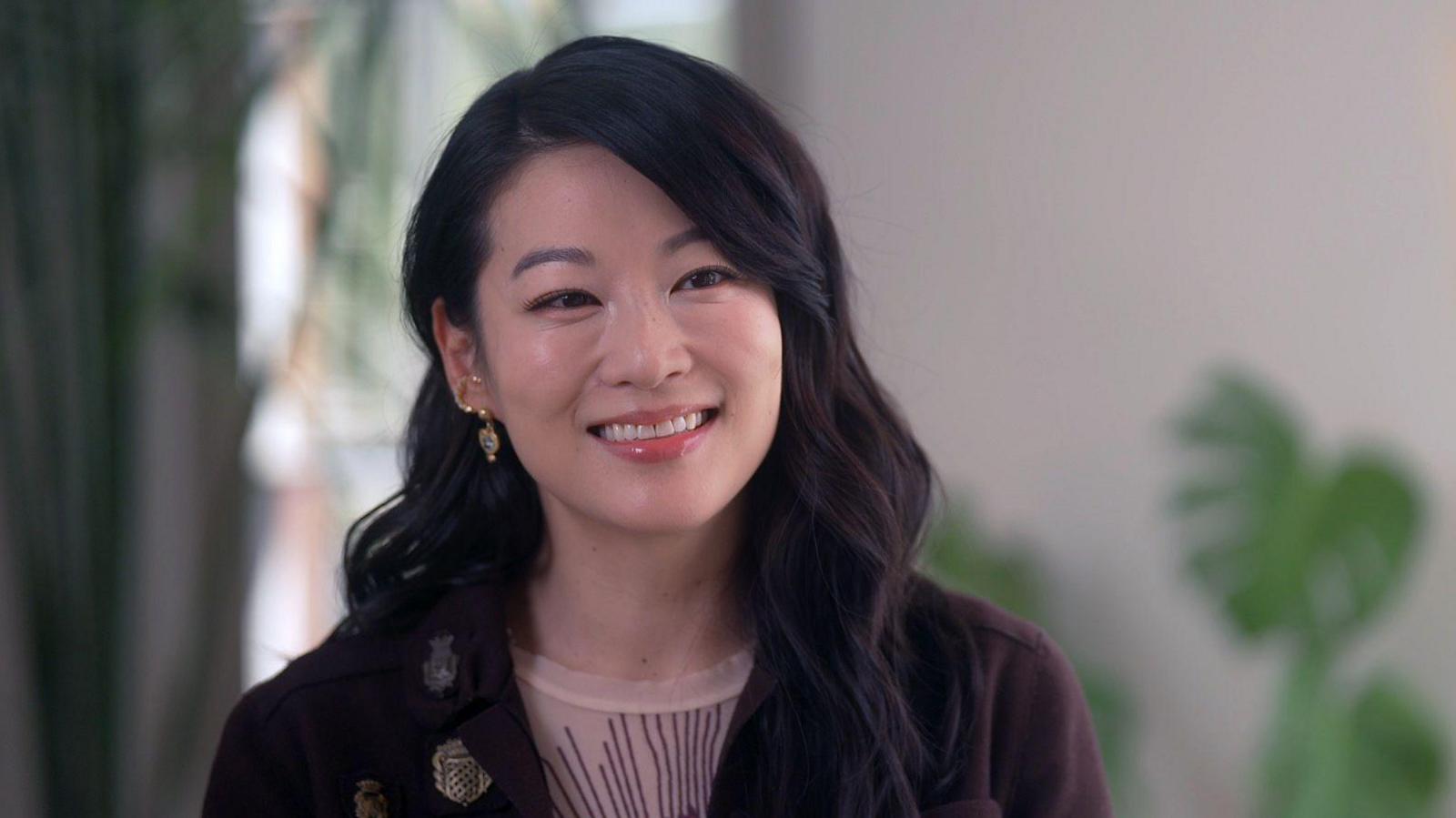
Arden Cho provides the voice for protagonist Rumi in the animated feature KPop Demon Hunters, which achieved top positions on Netflix charts across 93 nations
“I resented my Asian features because they didn’t match the blonde-haired, blue-eyed beauty standards of that era,” reveals Arden Cho, the performer behind Rumi in Netflix’s successful animated production, KPop Demon Hunters.
In an interview with BBC World Service for their Global Women program, Cho, now 40, recounts her upbringing in Texas as the first-born child of Korean immigrants and her challenges finding acceptance within American culture.
The film follows a female K-Pop trio tasked with protecting the world from dark supernatural threats, with Rumi grappling with her mixed heritage as both human and demon. Cho found this character’s journey deeply relatable when she first encountered the screenplay.
“Growing up American yet being treated as an outsider, navigating my identity as an Asian-American woman of Korean descent,” she explains.
These personal experiences closely paralleled Rumi’s fictional development.
“I can truthfully admit there were periods when I disliked much about myself and wished I could be somebody different.
“Childhood perceptions shape your self-image, and I simply didn’t encounter enough positive representations of people who resembled me.”
Cho believes the film has contributed to “greater appreciation for Korean culture” worldwide
Upon its Netflix debut in June, KPop Demon Hunters accumulated 33 million views within two weeks and entered the top 10 Netflix rankings in 93 countries. For Cho, participating in the inaugural Hollywood animated production featuring Korean protagonists and settings represented “the fulfillment of a lifelong aspiration” while establishing her as an influential figure for Asian-American youth who lacked such role models during their own childhoods.
Cho notes that numerous Korean-Americans have expressed how “this represents a transformative moment,” instilling pride in their dual cultural background for the first time.
“K-Pop has genuinely cleared the path. Korean beauty standards have significantly influenced global appreciation of Korean culture. However, I believe this film has pushed that recognition to new heights, making Korea an increasingly desirable destination,” Cho observes.
Despite its eventual success, the film’s trajectory wasn’t assured, and Cho acknowledges the production team frequently encountered challenges.
“It’s unfortunate to admit, but projects with Asian leads are often perceived as risky ventures,” she comments.
Consequently, when she accepted the role, she made a point of personally connecting with everyone involved in the film’s creation.
Ji-Young Yoo (left) and May Hong (right) also provide vocal performances in the production
The film emerged during heightened US immigration enforcement under the Trump administration’s expanded deportation initiatives, targeting undocumented individuals and sparking nationwide demonstrations.
For Asian-Americans residing in the US, this situation is “both heartbreaking and discouraging,” states Cho. “Immigrant contributions have fundamentally shaped America’s identity.”
Korean media outlets have suggested that approximately 150,000 undocumented Korean immigrants, including adopted children, might face deportation.
Cho reflects that during her youth, American society had limited understanding of Korean identity
As an adult, Cho recognized that the racial prejudice she encountered stemmed primarily from cultural ignorance, as people lacked familiarity with Korean or broader Asian identities.
“However, in our current era, when greater awareness should prevail, these persistent attitudes are profoundly disappointing and sometimes leave us feeling powerless,” she remarks.
This context makes the positive reception of KPop Demon Hunters particularly meaningful, as it delivers “optimism, happiness, and unity across diverse communities.”
“Perhaps that explains its status as this summer’s standout film—we all needed something uplifting to bring us together.”
The expanding role of artificial intelligence presents significant concerns for the entertainment sector, potentially enabling future productions like KPop Demon Hunters to be generated through AI.
Cho acknowledges that AI already replicates performers’ voices but maintains “faith in human nature” that audiences will continue valuing human creativity.
“Undoubtedly, we’ll see AI-generated performers and vocalists. I’m aware this technology already exists. I know our voices are being digitally manipulated, but I trust people will maintain respect and appreciation for authentic artistic expression.”
KPop Demon Hunters has also dominated international music rankings, with seven soundtrack compositions appearing on Billboard’s Hot 100. The film has inspired fan-created artwork, and global audiences are enthusiastically requesting follow-up installments.
Cho indicates she cannot confirm sequel plans—both she and supporters must await decisions from Netflix or production company Sony Pictures Entertainment.
“I’ve heard positive discussions and encouraging signals,” she shares. “We’ll have to wait and see, though I believe there would be worldwide disappointment without continuation.”