31. March 2025
Europe's Maritime Battle: Unraveling Russia's Shadow Fleet Strategy
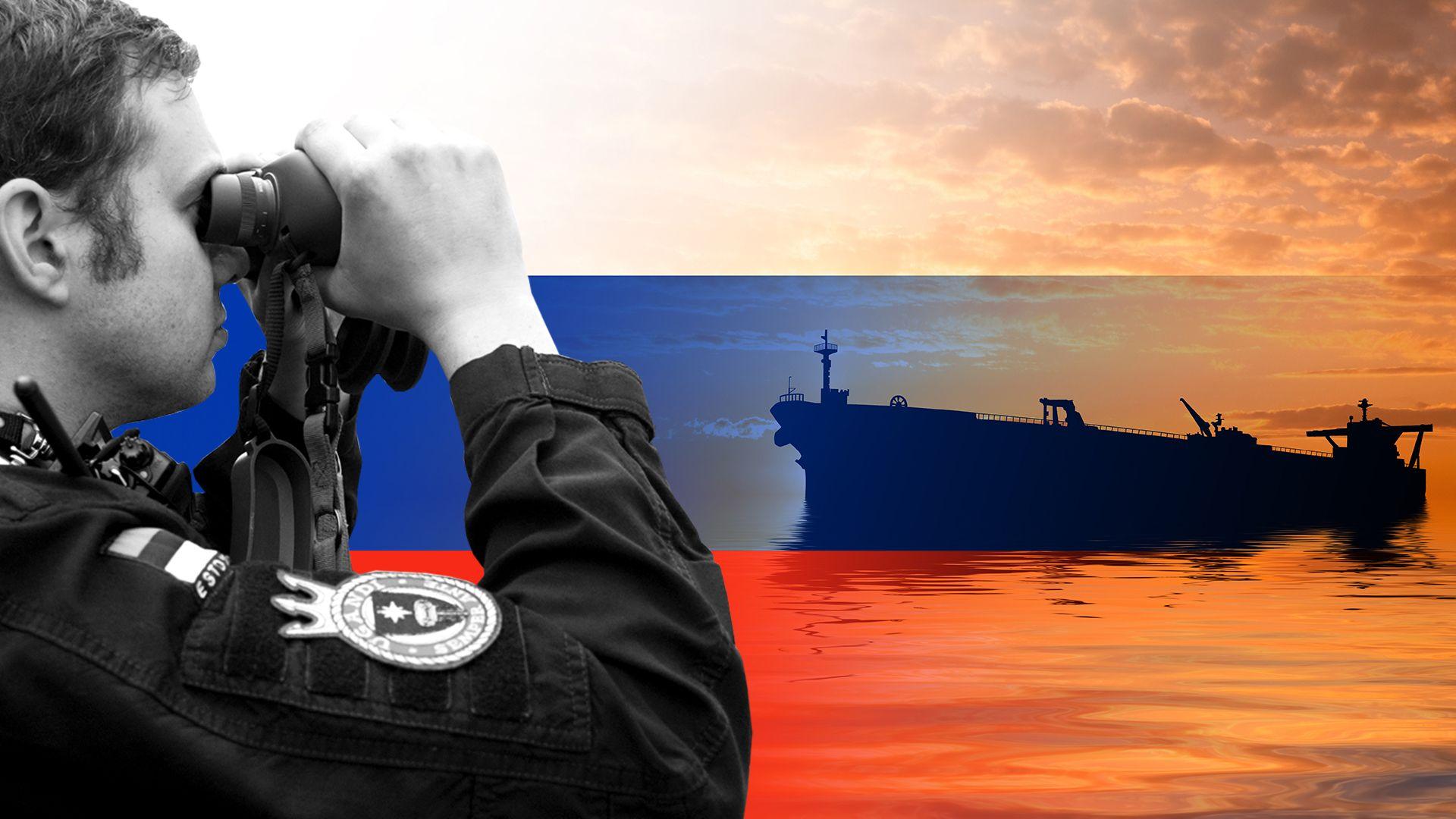
European coastguards are increasingly encountering vessels suspected of bypassing Western sanctions on Russian energy exports, forming what’s known as the ‘shadow fleet.’ These ships often operate without valid flags, insurance, or proper registration, making them virtually stateless. In the western Baltic Sea, a Swedish coastguard officer attempted to question a sanctioned oil tanker, receiving only fragmented responses about its insurance, flag state, and last port of call. Maritime experts warn these vessels, often described as ‘floating rust buckets,’ pose significant environmental risks if they suffer accidents. The International Maritime Organization reports that the number of falsely flagged ships has more than doubled this year, with over 450 vessels globally, mostly tankers. Estonia’s navy chief, Commodore Ivo Värk, notes a dramatic increase in such vessels passing through his country, from one or two annually to dozens this year. The BBC tracked one vessel, Unity, which has changed names and flags multiple times, including flying the flag of Lesotho—a landlocked country with no maritime registry. Despite being sanctioned by the UK and EU, these vessels continue operations, with Russian crude oil exports through such channels accounting for 62% of shipped volumes, according to the Centre for Research on Energy and Clean Air. While European nations attempt to increase pressure on Moscow, they face significant challenges in enforcing maritime law as ships move further from coastal waters.